
Flood Insurance in Virginia

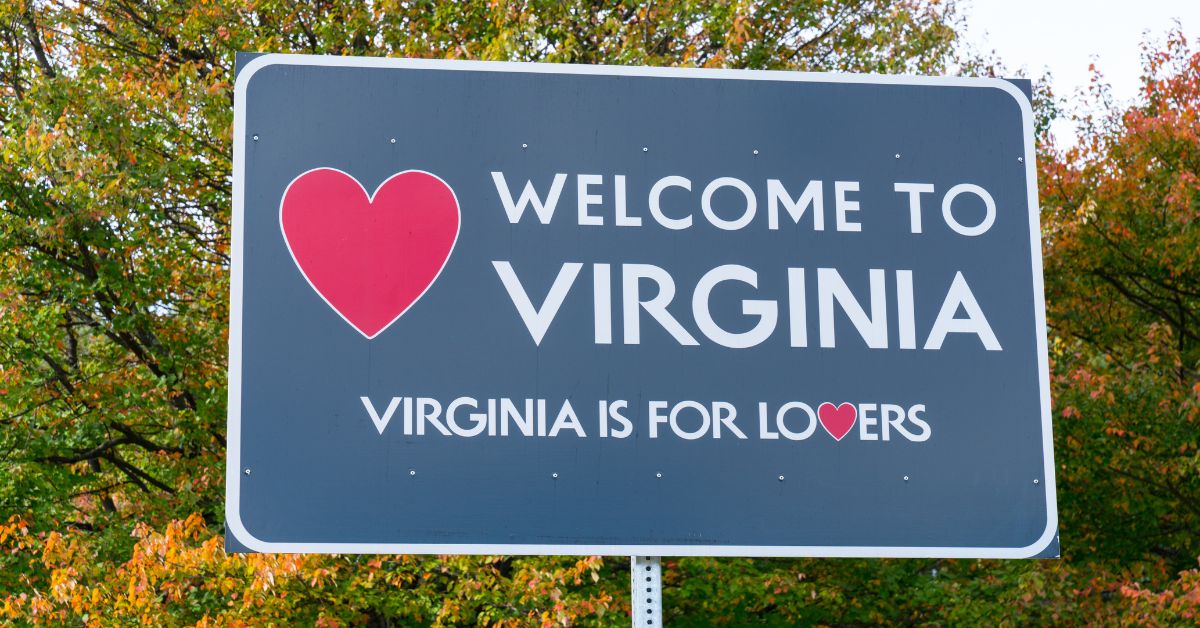
Virginia Welcome Sign

Searching for flood insurance for your Virginia property? Protect the life you’ve built with Buoy Flood powered by Evertree Insurance.  

Navigating flood insurance policies can be overwhelming, but you don’t have to do it alone. Buoy Flood compares flood rates from A-rated insurance companies to help you find the best flood rates for your home that fit both your needs and budget. Our agents will answer any questions and help guide you through the process of obtaining the right flood policy for your Virginia property. 

We make it simple, and it only takes 3 minutes! 

Instantly Compare Flood Insurance Quotes in 3 Minutes! 

Flood Insurance Cost in Virginia 

Flood rates will vary based on multiple factors, including the location of the property, flood risk zone, and elevation. The age of the home, construction materials, and number of floors can also influence the premiums.  

To obtain accurate information about flood insurance costs for your property in Virginia, it is recommended to contact a flood expert at Buoy Flood at (800) 575-8619 or submit a quote online.  

Our licensed insurance agents will then be able to assess the property and provide a personalized quote just for you! 

Do I Need Flood Insurance in Virginia? 

Flooding is a natural disaster across the United States, a mere 1 inch of water inside a home can result in over $25,000 worth of damage. Having flood insurance is the key factor that distinguishes between recovery and suffering a significant financial loss.  

It’s crucial to understand that a typical insurance policy does not provide coverage for flood-related damages. In the event of flooding caused by natural disasters or accidents on your property, only a flood insurance policy will provide the necessary assistance to cover the costs of repairing and replacing the life you’ve built.  

What does Flood Insurance cover in Virginia? 

There are two types of coverage: 

Building/Structural Coverage – The coverage extends to electrical and plumbing systems, carpets, appliances, and other items. 

Personal Property Coverage – Protects your personal belongings, such as curtains, furniture, clothes, and valuable artwork. 

Given Virginia’s abundant natural beauty and its proximity to water sources, the state is at high risk for flooding. Thus, comprehending the necessity of flood insurance is critical. Flood insurance serves not only as a safeguard for your property but also as peace of mind during weather events that are unpredictable in Virginia. 

Contact your flood experts at Buoy Flood to help you understand why it’s essential, how it works, and how to make the most of your coverage! 

Flood Insurance in Georgia

Georgia Welcome Sign

Searching for flood insurance for your Georgia property? Protect the life you’ve built with Buoy Flood powered by Evertree Insurance.  

Navigating flood insurance policies can be overwhelming, but you don’t have to do it alone. Buoy Flood compares flood rates from A-rated insurance companies to help you find the best flood rates for your home that fit both your needs and budget. Our agents will answer any questions and help guide you through the process of obtaining the right flood policy for your Georgia property. 

We make it simple, and it only takes 3 minutes! 

Instantly Compare Flood Insurance Quotes in 3 Minutes! 

Flood Insurance Cost in Georgia 

Flood rates will vary based on multiple factors, including the location of the property, flood risk zone, and elevation. The age of the home, construction materials, and number of floors can also influence the premiums.  

To obtain accurate information about flood insurance costs for your property in Georgia, it is recommended to contact a flood expert at Buoy Flood at (800) 575-8619 or submit a quote online.  

Our licensed insurance agents will then be able to assess the property and provide a personalized quote just for you! 

Do I Need Flood Insurance in Georgia? 

Georgia is susceptible to various types of flooding, including riverine flooding, flash flooding, and coastal flooding. Heavy rainfall, hurricanes, and tropical storms can trigger flooding events.  

Coastal areas such as Savannah, Brunswick, and Tybee Island face an increased risk due to their proximity to the Atlantic Ocean.  

Inland regions along major rivers, such as the Chattahoochee, Flint, and Oconee, are also vulnerable to flooding.  

Flood damage is not typically covered by standard homeowner’s insurance policies. To protect your property from flood-related losses, it is crucial to obtain a separate flood insurance policy.  

What does Flood Insurance cover in Georgia? 

There are two types of coverage: 

Building/Structural Coverage – The coverage extends to electrical and plumbing systems, carpets, appliances, and other items. 

Personal Property Coverage – Protects your personal belongings, such as curtains, furniture, clothes, and valuable artwork. 

Residents of Georgia must take action to protect their property from the dangers of flooding. By gaining knowledge about flood insurance and obtaining appropriate coverage, homeowners can shield their homes and possessions from the financial ruin that floods can cause.  

Flood insurance is not only a means of protecting one’s property, but also a source of reassurance in the face of unpredictable weather patterns in Georgia. It is essential to take responsibility for safeguarding your property and securing peace of mind in the event of a flood. 

Contact your flood experts at Buoy Flood to help you understand why it’s essential, how it works, and how to make the most of your coverage! 

Flood Insurance in Tennessee 

Tennessee Welcome Sign

Searching for flood insurance for your Tennessee property? Protect the life you’ve built with Buoy Flood powered by Evertree Insurance.  

Navigating flood insurance policies can be overwhelming, but you don’t have to do it alone. Buoy Flood compares flood rates from A-rated insurance companies to help you find the best flood rates for your home that fit both your needs and budget.  

Our agents will answer any questions and help guide you through the process of obtaining the right flood policy for your Tennessee property. 

We make it simple, and it only takes 3 minutes! 

Instantly Compare Flood Insurance Quotes in 3 Minutes! 

Flood Insurance Cost in Tennessee 

Flood rates will vary based on multiple factors, including the location of the property, flood risk zone, and elevation. The age of the home, construction materials, and number of floors can also influence the premiums.  

To obtain accurate information about flood insurance costs for your property in Tennessee, it is recommended to contact a flood expert at Buoy Flood at (800) 575-8619 or submit a quote online.  

Our licensed insurance agents will then be able to assess the property and provide a personalized quote just for you! 

Do I Need Flood Insurance in Tennessee? 

Tennessee locals must comprehend the significance of flood insurance and its ability to safeguard their residences and monetary resources. From heavy rainfalls to river overflow, floods can cause significant damage to homes and properties across the state.  

Many homeowners mistakenly assume that their standard homeowner’s insurance policy covers flood-related damages, but this is not the case. Without flood insurance, homeowners may find themselves financially vulnerable in the face of a flood disaster. 

What does Flood Insurance cover in Tennessee? 

There are two types of coverage: 

Building/Structural Coverage – The coverage extends to electrical and plumbing systems, carpets, appliances, and other items. 

Personal Property Coverage – Protects your personal belongings, such as curtains, furniture, clothes, and valuable artwork. 

Living in Tennessee, where flood risks are a reality, requires proactive measures to protect your home and finances. Flood insurance is not just a safety net for your property but also a tool for peace of mind for unpredictable weather events in Tennessee. 

Contact your flood experts at Buoy Flood to help you understand why it’s essential, how it works, and how to make the most of your coverage! 
Understanding Flood Zones and How They Impact Insurance Rates

Flood Zones

Not all flood zones are the same, knowing where your home falls on the flood map can have a significant impact on your insurance rates!  

What are flood zones? 

Flood zones are geographic areas that have been designated by the Federal Emergency Management Agency better known as “FEMA” based on the likelihood of flooding. The zones are then used by insurance companies to determine the level of risk for your property in a particular area. 

Flood zones are typically categorized as high-risk and low-risk.  

High-risk flood zones, are areas that have a 1% or greater chance of flooding in any given year. Properties labeled as high-risk flood zone are required by law to have flood insurance if there is a mortgage from a federally regulated lender.  

Low-risk flood zones, have a lower likelihood of flooding and are not required to have insurance. However, it’s highly recommended that even properties in a low-risk zone can experience flooding and should consider purchasing flood insurance. As floods can happen anywhere and anytime.  

What factors determine flood zones? 

Flood zones are determined by several factors, including; 

Topography: The elevation of the land and its proximity to bodies of water are major factors in determining flood risk. 

Weather patterns: Heavy rainfall and hurricanes can increase the likelihood of flooding. 

Drainage systems: The effectiveness of drainage systems in a particular area can impact the risk of flooding. 

Flood control measures: Dams, levees, and other flood control measures can reduce the risk of flooding in some areas. 

Types of flood zones: 

High-risk flood zones like AE, A, V & VE are areas that have a 1% or greater chance of flooding in any given year. Properties labeled as high-risk flood zone are required by law to have flood insurance if there is a mortgage from a federally regulated lender. 

Low-risk flood zones, like X or X500  have a lower likelihood of flooding and are not required to have insurance. However, it’s highly recommended that even properties in a low-risk zone can experience flooding and should consider purchasing flood insurance. As floods can happen anywhere and anytime 

Flood zones and insurance rates: 

Flood insurance premiums can vary greatly depending on a variety of factors. These factors include the age of the property, its construction type, the value of the property, and the level of coverage purchased.  

Homes located in high-risk flood zones may be able to reduce their insurance premiums by raising their home above the flood levels. This can be done by either lifting the house or by elevating the first floor. Additionally, the installation of flood control devices such as levees or breakwaters can also help reduce the cost of flood insurance. Other factors that can affect the cost of flood insurance include the location of the property, the amount of coverage purchased, any previous flood claims, and the deductible amount. 

Are you aware of the flood zone your property is in?  

Talk with a flood expert either by starting a 3-minute quote online at https://buoyflood.com/main-funnel/ or give us a ring at (800) 575-8619. 

The Real Cost of NOT Having Flood Insurance

Screen in the Calculator Reads as Cost

When it comes to protecting your home and belongings, having insurance is crucial. Many homeowners assume that their standard home insurance policy will cover flood damage, but unfortunately, that is not the case. In fact, floods are the most common natural disaster in the United States, and even just a few inches of water can result in a high damage cost. If you do not have flood insurance and your home is damaged by a flood, then the cost can be very significant.  

Here are some of the real costs of NOT having flood insurance: 

1.    Property Damage 

The obvious cost of not having flood insurance is the cost of repairing or replacing damaged property. Flood damage can be extensive, including damage to the foundation, walls, floors, electrical and plumbing systems, appliances, furniture, and personal belongings. In some cases, the damage may be so severe that the home is considered a total loss, requiring complete demolition and rebuilding.  

2.    Lost Income 

If your home is damaged by a flood and you’re unable to live in it while repairs are being made, you’ll need to find alternative housing. This can be expensive, especially if you must stay in a hotel or rent a temporary apartment for an extended period of time. In addition, if you’re unable to work due to the flood, you may lose income, which can make it difficult to pay for the costs associated with repairing your home. 

The cost of not having flood insurance isn’t just financial – it can also take an emotional toll. Dealing with the aftermath of a flood can be stressful, overwhelming, and traumatic. It can be disheartening to witness the destruction of your home and possessions. It can also be difficult to know where to seek help. Flood insurance can give a sense of security. Knowing that you are shielded in the event of a flood can bring peace of mind. 

By investing in flood insurance, you can protect yourself from the potentially devastating financial and emotional costs of flood damage. It’s a small price to pay for the peace of mind that comes with knowing you’re prepared for the unexpected.  

Let our flood experts help you find a coverage that fits your home, start a 3 minute quote online at https://buoyflood.com/main-funnel/ or speak to us by phone at (800) 575-8619. 

A Beginner’s Guide to Flood Insurance 

Flooded Living Room

If you’re a homeowner, you may be aware of the importance of home insurance to protect your property against damage and loss. But, what about flood insurance to protect your property? Floods can happen anywhere, and they can add devastating damage to your home and belongings.  

If you are new to the topic of flood insurance, here is a beginners guide to break down the basics! 

What is flood insurance? 

Flood insurance is a type of insurance that covers damage caused by flooding.  

Note: Most standard homeowners insurance policies do NOT cover flooding, so you will need a separate flood insurance policy to be protected.  

How do I get flood insurance? 

You have come to the right place! Buoy Flood is your go to for flood insurance. We are looking at multiple companies, private and FEMA, to ensure the best coverage and rate based on your property. We will help you make an educated and guided decision, so you feel confident and protected. Get in touch with one of our flood experts by taking 3 minutes to fill out our form online at www.buoyflood.com/main-funnel or give us a call at (800) 575-8619.  

What does flood insurance cover? 

Flood insurance covers damage caused by rising water that enters your home from the ground up.

This can include things like:

  1. Structural damage to your home, including the foundation, walls, and roof
  2. Damage to electrical and plumbing systems
  3. Damage to appliances, furniture, and personal belongings
  4. Costs associated with cleaning up and removing debris
  5. Loss of use can be offered with certain providers to help provide living expense coverage when displaced due to flood.

It’s important to note that flood insurance does not cover damage caused by water that enters your home from above, such as through a leaky roof or broken window. These types of damages would typically be covered by your standard homeowner’s insurance policy.  

Remember: There is a 30-day waiting period before your flood insurance policy goes into effect, so you’re better off purchasing it as soon as possible to ensure you’re protected in the event of a flood.  

Flood insurance can protect you from potentially devastating costs associated with flooding, which can happen anywhere at any time. By understanding the basics of flood insurance and taking proactive steps to purchase a policy, you can have peace of mind knowing that you’re prepared for the unexpected.